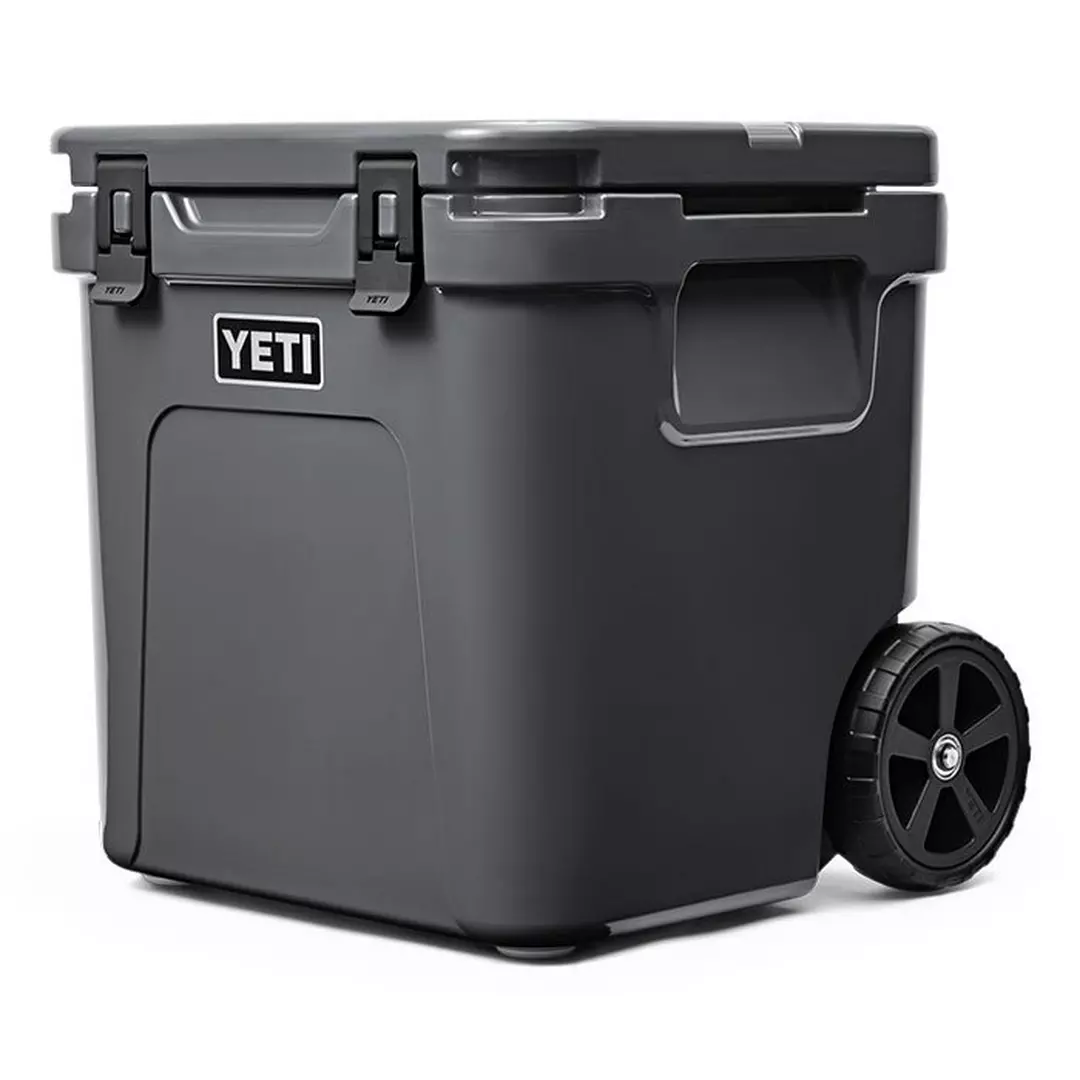
A summer cooler does not earn attention by sitting pretty in the garage. It earns it in the parking lot, at the lake ramp, beside the grill, and in the back of an SUV after a long Costco run. That is why the Yeti Roadie 48 is pulling so much interest from U.S. shoppers who want one cooler that can handle tailgates, beach days, camping meals, and backyard hosting without turning into a two-person carry. The official product page lists a $425 price, a 76-can capacity, 54 pounds of ice-only capacity, and one included dry goods basket, which explains why this cooler restock has more weight than a normal seasonal refill. For readers tracking practical outdoor buys through consumer product coverage, the appeal is easy to see: this is not a tiny lunch box, and it is not a giant chest that stays trapped in the truck. It sits in the useful middle, where most American weekends actually happen. For buyers refreshing stock alerts, the real question is whether this size can carry a whole day without taking over the whole vehicle.
Why the Yeti Roadie 48 Restock Feels Bigger Than a Cooler Drop
The rush around this model makes sense because it solves a problem that cheaper coolers often dodge. A big portable hard cooler can hold plenty, but once you load it with drinks, ice, fruit, burgers, and water bottles, the carry becomes the bad part of the day. Wheels change the whole mood. They turn a cooler from something you lift into something you move. That is why demand tends to gather around this size rather than only the largest chest in the catalog. Most buyers are not planning a week in the backcountry; they are trying to make a hot Saturday easier.
Shoppers Want Capacity Without the Two-Person Haul
The Roadie line has always had a clear ladder. Small sizes work for solo trips and tight cars. Larger chests fit more but demand more space and muscle. This model lands where families, tailgaters, and weekend campers tend to live. It holds enough for a full day out, yet it still has a vertical shape that feels easier to stage near a car, picnic table, boat dock, or folding chair row. That vertical stance also helps in garages where coolers share space with bikes, storage bins, lawn tools, and half-empty bags of charcoal.
The official size guide lists outside dimensions of 19.8 inches wide, 20.1 inches deep, and 20.6 inches high, with interior space of 14.5 by 11.4 by 15.8 inches. That interior height matters because upright bottles can be less annoying than a flat pile of loose cans and crushed bags of ice.
Here is the non-obvious part: the draw is not only the size. It is the shape. A long chest can be harder to fit in a crowded trunk than a taller wheeled cooler, even when the total capacity looks close on paper. That matters for buyers driving crossovers, minivans, and trucks already packed with chairs, sports bags, beach tents, and kids’ gear.
The Restock Timing Hits Peak Outdoor Use
A cooler restock gets more attention when it arrives during real need, not after the season has cooled down. Late spring through football season is when Americans put coolers through their hardest use. The timing turns a product page into a decision point, because people are not shopping in the abstract. Graduation cookouts, July beach trips, Labor Day weekends, youth sports tournaments, hunting camp prep, and college tailgates all push people toward gear that can take some abuse.
This is where a wheeled cooler earns its place. Nobody wants to drag a loaded chest across a gravel lot before a noon kickoff in Texas heat. The same goes for a family reunion in a city park, where the good tables are never as close to the parking lot as you hoped. Nobody wants to carry melted ice water back from a dock after a long fishing day in Florida. A rolling design does not make the cooler light, but it makes the load more honest.
The tension is price. At $425, this is not a casual throw-in purchase. The buyer is not paying for cold drinks alone. They are paying to stop replacing cracked lids, loose handles, broken wheels, and warped bargain bins every other season. For many households, that math only works if the cooler becomes part of several routines, not one annual camping trip. Think about the family that uses it for soccer Saturdays, Fourth of July cookouts, fall tailgates, holiday overflow drinks, and road-trip groceries. In that pattern, the same purchase serves five kinds of weekends instead of one shiny outing.
What Makes This Wheeled Cooler Stand Out for U.S. Weekends
A premium cooler can fail in daily life if it feels awkward. That is the trap. Buyers read about ice hold, then discover that the real pain is opening it with one hand, rolling it over gravel, draining it after use, or finding a clean spot for sandwiches. This model speaks to those smaller moments. Those moments decide whether you reach for it every Friday. A cooler spends much of its life in transitions: garage to trunk, trunk to field, field to patio, patio back to hose. Good design shows up there first.
The Build Is Made for Crowds, Docks, and Driveways
The official page describes the Periscope handle, NeverFlat wheels, side LipGrip handles, non-slip feet, tie-down slots, and a drain plug. It also says the model weighs 28.30 pounds empty, which is worth knowing before you picture it floating up a stairway by itself. The wheels help most on flat ground, rough parking lots, marinas, and packed trails. They also make short, repeated moves less irritating, which is the part many spec sheets fail to capture.
Think about a high school baseball tournament in Arizona. The cooler is loaded with ice, sports drinks, orange slices, and lunch. A parent has one hand on a canopy bag and another on the handle. A soft cooler may sag. A basic hard cooler may need two adults. A wheeled design lets one person do more without turning the walk from the car into a workout.
The quieter insight is that wheels are not only about strength. They are about manners. People remember the gear that did not make the group stop and reorganize around it. A cooler that rolls can move through a crowd with less bumping, less stopping, and less spilled gear. At a tailgate, that can matter as much as ice hold.
The Basket Changes How People Pack Food
The included dry goods basket sounds small until you pack a cooler for a mixed group. Drinks and ice are easy. Food is where cheap coolers get messy. That is why the smallest organizational feature can feel bigger than another few cans of listed capacity. Sandwiches sink. Cheese gets wet. Berry containers crack. Someone opens the lid, digs around, and your clean lunch becomes part of the ice bath.
A removable basket gives you a small dry zone inside the cold space. At a backyard party, that may mean the burger cheese stays usable instead of turning into a wet block under a bag of ice. That helps for burger toppings, wrapped snacks, fruit cups, medicine that needs cool storage during a trip, or a small dessert you do not want crushed. It will not turn the cooler into a refrigerator with shelves, but it adds order where most coolers become chaos.
For a practical buying checklist, pair that feature with summer tailgate cooler buying tips before you spend premium money. Capacity numbers matter, but the way you pack matters more. A cooler that fits your habit will feel larger than one that only wins on spec sheets.
How to Decide Whether the Cooler Restock Is Worth Buying
A restock can make people rush. That is the danger. Scarcity makes a product feel safer than it is. The better question is not whether this cooler is popular. The better question is whether your weekends are heavy enough to make the price feel earned. The wrong purchase happens when a buyer shops for the life they want on Instagram, not the life they repeat every month.
Buy It for Repeated Use, Not One Big Trip
This is the right kind of cooler for people who host often, drive to outdoor events, or need cold storage away from the kitchen. It is also a fit for people who become the unofficial drink station at every gathering because they own the gear that works. It makes sense for RV owners, youth sports families, lake-house weekends, hunting groups, boat owners, and anyone who treats a parking lot like a temporary dining room. The model is also tall enough for many standard wine bottles and two-liter bottles, according to the product page.
It makes less sense for apartment buyers who only need a cooler twice a year, unless storage space and budget are no concern. A smaller portable hard cooler may be easier for grocery runs, day hikes, and short park visits. The smaller option may also be better for anyone who parks in tight garages or stores gear on apartment shelves. A soft cooler may be better when you need shoulder-carry comfort more than structure.
A counterintuitive point: a premium wheeled cooler can be too much cooler. If you often walk stairs, ride public transit, or pack for one or two people, the strength becomes bulk. The best cooler is the one you use without bargaining with yourself first.
Check the Route Before You Check Out
The official Roadie FAQ says the wheels can handle rocky paths, gravel trails, and splintered marine docks, while soft sand may be harder to roll through. That detail matters for U.S. buyers because “beach cooler” can mean two different things. A boardwalk in New Jersey is not the same as deep Gulf Coast sand near the waterline.
For tailgates, parks, boat ramps, campgrounds, and paved resort paths, the wheel setup fits the job. For loose sand, steep stairs, or long uneven climbs, you may still need help. That is not a flaw. It is physics. The honest buyer plans around those limits instead of pretending a wheel system can erase every surface problem.
Before buying during a cooler restock, picture your hardest route. Not your best route. The hardest one. A product that feels perfect on a store floor can feel different when the path includes stairs, sand, mud, or a packed stadium walkway. If the cooler has to cross a grassy field after rain, ride over dock gaps, or squeeze behind stadium seating, those details matter more than color choice. Use outdoor gear deal tracking guide to compare needs before chasing stock alerts.
Smart Buying Notes Before Demand Pushes Colors Out
When a product restocks after a rush, the first instinct is to grab whatever color appears. That can work if you only care about function. Yet for a cooler this expensive, patience can save regret. Color, accessories, storage, and cleaning all affect whether the purchase feels good six months later. Restock shoppers should slow down long enough to think about ownership, not only checkout speed.
Color Choice Is More Than Style
Seasonal colors create pressure because they can vanish faster than core colors. That pressure is part of the fun, but it can cloud the practical side. A dark cooler may look sharp in a truck bed. A lighter one may feel better sitting in direct sun at a cookout. A bright color can be easier to spot at a crowded campsite or Little League field. It can also help guests find the drinks without asking the host every ten minutes.
The smart move is to choose based on where the cooler will live. If it spends summers on a boat, visibility and scuff tolerance matter. If it sits on a patio near stainless grills and neutral furniture, a quieter shade may age better. If it is for college football weekends, a bolder color may fit the mood.
The unexpected angle is resale. Premium outdoor gear often keeps more value when the color has broad appeal. A cooler is not a collectible for most households, but resale can matter when you upgrade, move, or realize you bought the wrong size. A rare seasonal shade can attract fans, but a classic color can attract more buyers. That only matters if you sell later, yet it is worth a thought before buying in a rush.
Accessories Can Help, But Restraint Wins
The product page shows add-ons such as ice blocks, a divider, extra baskets, and a cup caddy. The Roadie FAQ also notes that the 48 and 60 wheeled models work with accessories such as a wheeled cooler divider, dry basket, cup caddy, security cable lock, tie-down kit, and ice packs. Those extras can make sense, but only after you know your packing style.
Start with the cooler and one or two trips. Then decide what annoyed you. That small delay prevents accessory clutter, which is common when people buy the full setup before they know their habits. If drinks crushed food, add another basket. If people opened the lid too often, rethink packing zones. If the cooler rides in a truck bed, tie-down gear may matter more than a cup holder.
The official guide also lists the model as fitting 76 cans, 54 pounds of ice, or 15 wine bottles when measured in those single-use capacity formats. Treat those numbers as planning references, not a promise that every real-world mix will fit at once. Ice shape, food containers, bottle height, and how often people open the lid can change the experience. The best source for sizing is the official wheeled cooler specs, especially when comparing it against nearby models.
Conclusion
The rush around this cooler says something simple about how people actually spend time outside. They want gear that removes friction from the day, not gear that becomes another chore. A large cooler that rolls, drains, packs upright bottles, and gives food a dry spot solves more than the old “keep ice cold” problem.
The Yeti Roadie 48 will make the most sense for buyers who use a cooler often enough to notice small pains. If your weekends include tailgates, lake days, tournaments, cookouts, road trips, or group camping, the price can start to look less like a splurge and more like a long-term tool. If your needs are smaller, be honest and buy down. That is the honest test: the cooler should make your regular plans easier, not ask you to invent bigger ones.
Stock pressure should not make the decision for you. Your real routine should. Choose the cooler that fits your routes, your storage space, your food habits, and your budget. Then use it hard.
Frequently Asked Questions
How much does this wheeled cooler cost in the U.S.?
The official listed price is $425, though color availability and retail offers can change. Buyers should check the brand site and trusted U.S. retailers before ordering, especially during restock periods when certain finishes may disappear sooner than others.
Is this portable hard cooler too heavy for one person?
It weighs 28.30 pounds empty, so it is not light. The wheels and telescoping handle make it easier to move on suitable ground, but lifting it into a tall truck bed or carrying it upstairs may still need a second person.
How many cans can it hold for a tailgate?
The official capacity reference says it fits 76 standard 12-ounce cans when measured as cans only. Real tailgate packing will be lower once you add ice, food, containers, and any dry goods you want to protect.
Is the wheeled cooler good for beach sand?
It can handle firm paths, docks, gravel, and rough parking areas better than many basic coolers. Loose sand is harder. For deep beach sand, expect more drag and consider whether a beach wagon or smaller cooler fits your trip better.
Does it come with a dry goods basket?
Yes, one removable dry goods basket comes with the cooler. That basket helps keep items like sandwiches, fruit, toppings, or small wrapped foods away from direct ice and meltwater during a long day outside.
Is it worth buying during a cooler restock?
It is worth buying if you use a cooler often and need capacity with easier transport. It is less convincing for rare use, small households, or trips that involve stairs and tight storage. Match the purchase to your routine first.
What accessories should buyers consider first?
Ice packs, an extra basket, and a divider are the most practical early add-ons for many users. Wait before buying every accessory. A few real trips will show whether you need better food separation, more cold support, or truck-bed security.
What is the best use for this cooler size?
It fits group day trips, tailgates, cookouts, boat ramps, youth sports, camping meals, and road trips. The size is most useful when you need more than a lunch cooler but do not want a giant chest that stays parked.