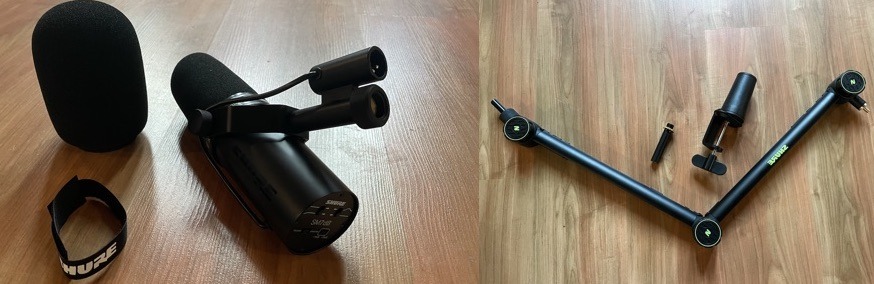
A clean voice track does not start with fancy editing. It starts before you hit record. That is why the podcast recording setup conversation keeps turning toward gear that removes weak links instead of adding more boxes to the desk. The Shure SM7dB sits in that sweet spot for many American podcasters: familiar broadcast tone, strong room rejection, and a built-in preamp that solves the old low-gain problem. For creators comparing gear, publishing workflows, and media growth through digital content visibility, this mic makes sense because it trims setup stress without making the sound feel thin or fake. It is still an XLR mic, so it asks for an audio interface and some care. But the appeal is plain. You get the weight people expect from a serious dynamic vocal mic, while skipping the extra inline booster that used to sit between the mic and interface.
Why the SM7dB Feels Like the New Safe Choice
The old podcast desk used to be a mess of small compromises. One creator had a quiet mic. Another had a noisy gain booster. A third had a decent interface pushed near its limit. The SM7dB answers that pain in a boring, useful way: it gives podcasters enough clean level before the signal reaches the recorder.
Built-in gain fixes the old SM7B friction
The original SM7B became famous because it made voices sound close, thick, and calm. The catch was gain. Many entry-level interfaces could run it, but they often had to be turned high. That is where hiss, weak headroom, and frustration entered the room.
The SM7dB changes that by adding a Shure-designed active preamp with up to +28 dB of gain, while still allowing bypass for original SM7B-style performance. It needs +48V phantom power when the active preamp is used, which most modern interfaces can provide.
That detail matters more than it sounds. A solo podcaster in Dallas using a Focusrite, Audient, PreSonus, or Rode interface does not want to learn gain staging through trial and error. They want to record a clean intro, guest segment, and ad read without fighting the noise floor.
The non-obvious win is not loudness. It is confidence. When your signal has enough clean level, you stop overprocessing. You speak naturally. The edit gets lighter.
Dynamic rejection suits real American rooms
Most podcasts are not recorded in perfect studios. They happen in apartments, spare bedrooms, converted closets, home offices, and shared houses. A condenser mic can sound open and polished in a treated room, but it can also catch air conditioners, keyboard taps, wall reflections, and a dog walking across hardwood.
A cardioid dynamic microphone is often the better fit for that kind of room. The SM7dB is built for close vocal use, so it rewards proper placement. Get near the mic, speak across the windscreen, and keep the back of the mic pointed toward noise.
That setup sounds simple because it is. A creator in Phoenix with a loud ceiling fan will still need to turn the fan off. A host in Brooklyn near street traffic still needs smart placement. But the mic is more forgiving than many bright studio condensers.
This is where buyers sometimes make the wrong upgrade. They chase detail when they need control. A mic that hears less of the room can sound more expensive than a mic that hears everything.
Podcast Recording Setup Standards Are Moving Toward Fewer Failure Points
A good rig is not the one with the most gear. It is the one you can repeat every week. That shift explains why the SM7dB is gaining ground among podcasters who want professional audio without building a full studio rack.
Fewer boxes means fewer bad decisions
For years, the common advice was simple: buy an SM7B, then add an inline booster. That worked. It also created more places to make mistakes. Phantom power had to be on. The booster had to be connected in the right order. Gain had to be set twice. Cables had to stay clean.
The SM7dB removes one piece from that chain. You still need an XLR interface or mixer, but the gain lift can happen inside the mic. That means fewer adapters on the desk and fewer mystery problems when something sounds weak.
A two-host show in Nashville is a good example. Two mics, two boom arms, two XLR cables, one interface. If each mic needs its own external booster, the desk gets crowded fast. With active gain built in, the setup becomes easier to explain, pack, and repeat.
The counterintuitive part is that simpler gear can make you more disciplined. When the chain is short, problems become easier to hear. Bad mic distance, poor room choice, and sloppy levels cannot hide behind a pile of accessories.
It still rewards proper technique
The SM7dB is not magic. No mic is. If you sit two feet away, face a bare wall, and leave a laptop fan pointed at the capsule, the recording will suffer. The mic gives you a better starting point, not a free pass.
The best results usually come from close placement. Keep the windscreen a few inches from your mouth. Speak slightly off-axis to reduce plosives. Use a sturdy boom arm because this is not a tiny USB mic that floats on a light desk stand.
A shock mount is not always required, but desk control matters. If your table shakes every time you move a mouse, that movement can travel through the arm. The fix may be as simple as moving the stand, tightening the arm, or using a heavier desk.
This is why the mic fits serious beginners. It will not punish you with weak gain, but it still teaches you the habits that make recordings better. That is a good bargain.
Where the SM7dB Beats Cheaper Podcast Mics
Price matters. Plenty of creators should start with a lower-cost USB mic or hybrid USB/XLR model. The SM7dB makes sense when the show has outgrown “good enough” sound and the host wants gear that will stay useful for years.
Voice weight helps long-form shows feel easier to hear
Podcast audio is not only about clarity. It is about fatigue. A bright, sharp mic may sound exciting for ten seconds, then tiring after thirty minutes. The SM7dB leans toward the broadcast sound many listeners associate with radio, interviews, and serious commentary.
That does not mean every voice becomes deep. A mic cannot invent a voice that is not there. But it can smooth rough edges and keep speech centered. For long-form interviews, that helps listeners stay with the conversation.
Think about a finance podcast recorded in a home office in Chicago. The host may publish one-hour episodes with market talk, sponsor reads, and guest clips. Thin audio makes that feel amateur. Controlled vocal tone makes the same content easier to trust.
A cheaper mic can still work. The difference is how much repair it needs later. If every episode needs heavy EQ, noise cleanup, and level fixing, the “cheap” choice starts costing time.
It fits teams that plan to grow
A solo creator can survive with a simple mic. A growing show needs repeatable standards. When new hosts, editors, guests, and sponsors enter the picture, audio has to stay steady.
That is where a Shure SM7dB microphone becomes more than a desk upgrade. It becomes a house sound. One host can record in Los Angeles, another in Atlanta, and both can follow the same distance, gain, and room notes. The editor gets tracks that behave in a predictable way.
MusicRadar’s 2026 XLR microphone guide named the Shure SM7dB as its best choice for podcasting, pointing to its built-in preamp and noise rejection as strengths for spoken-word work.
The non-obvious point is that a standard mic can reduce brand drift. Listeners may not know why one episode feels tighter than another, but they notice when voices change wildly from week to week. Consistency becomes part of the show’s identity.
For more planning around production systems, creators can pair gear decisions with content workflow planning and podcast growth strategy before spending money on upgrades that do not solve the real bottleneck.
How to Set It Up Without Wasting Money
The SM7dB works best when the whole chain makes sense. Buying the mic first and figuring out the rest later can lead to poor choices. Start with the room, the interface, the arm, and the recording habit.
Match the mic with the right interface
You do not need a luxury interface to use this mic. You need a clean, stable XLR input and phantom power for the active preamp mode. Many modern interfaces can handle that. The point is not to buy the most expensive box. The point is to avoid the cheapest weak link.
Check that your interface can supply +48V phantom power. Then decide whether you want the mic’s active gain on or bypassed. The official Shure guide explains the active preamp and gain behavior for the SM7dB, which is worth reading before the first session.
Set levels while speaking at your real recording volume. Do not whisper during setup, then perform loudly during the episode. Aim for healthy peaks without clipping. Leave room for laughter, emphasis, and guest interruptions.
One mistake shows up often: people buy a premium mic, then record into a noisy room with no plan. A rug, curtains, packed bookshelf, or soft chair behind the mic can do more than a new plugin.
Spend on the boring accessories
A good boom arm matters because the SM7dB has weight. A weak arm may sag, creak, or force bad placement. That hurts recordings more than most people expect.
You also want a reliable XLR cable, closed-back headphones, and a quiet recording space. None of this feels exciting. That is the point. Boring gear keeps the session stable.
For a home podcaster in Seattle, the smartest setup might be the SM7dB, a mid-range interface, a strong arm, one decent cable, and a few soft room changes. No rack. No fancy processor. No pile of plugins bought after watching a five-minute tutorial.
The hidden insight is that podcast sound improves when you remove choices. Pick a mic position. Pick a gain setting. Pick a room routine. Save the settings. Then record. The fewer decisions you make before each episode, the more energy you keep for the conversation.
Conclusion
The rise of the SM7dB says something honest about podcasting now. Creators are tired of gear that looks professional but adds stress. They want tools that make the recording day calmer, cleaner, and easier to repeat.
That is why the podcast recording setup built around this mic feels practical rather than flashy. It solves a known gain problem, keeps the familiar broadcast character, and fits the imperfect rooms where most American shows are made. It still needs smart placement, a proper interface, and basic room control. Skip those, and no microphone will save the episode.
For creators who publish often, the real value is not only tone. It is routine. A dependable dynamic vocal mic helps you show up, record, edit less, and sound like the same show every week. Buy it for that reason, not for status. Build the chain around your voice, your room, and your schedule, then make the show good enough that the gear disappears.
Frequently Asked Questions
Is the Shure SM7dB worth it for beginner podcasters?
It is worth it for beginners who want to start with XLR gear and avoid early upgrades. A cheaper USB mic may be smarter for casual use. The SM7dB makes more sense when you plan to publish often and care about repeatable vocal sound.
Do you need an audio interface for the SM7dB?
Yes, it is an XLR microphone, so it needs an audio interface, mixer, or recorder with an XLR input. To use the built-in active preamp, your device also needs +48V phantom power.
What makes the SM7dB different from the SM7B?
The main difference is the built-in active preamp. The SM7B often needs lots of clean gain from an interface or external booster. The SM7dB can add gain inside the mic, while still offering bypass mode for the older SM7B-style behavior.
Is the SM7dB good for untreated rooms?
It can work well in untreated rooms because its dynamic design and cardioid pickup help reduce unwanted room sound. Still, placement matters. Soft furniture, curtains, rugs, and close mic technique will improve results more than heavy editing.
Can the SM7dB be used for streaming and YouTube?
Yes, it fits streaming, YouTube voiceovers, interviews, and remote production. Streamers should pair it with a stable interface and boom arm. It is not as simple as USB, but it offers stronger control for long-term content work.
How close should you speak into the SM7dB?
Most spoken-word users should stay a few inches from the windscreen and speak slightly off to the side. That helps reduce popping sounds while keeping the voice full. Moving too far away will make the room more noticeable.
Does the SM7dB need a Cloudlifter or inline booster?
No, not when using its built-in active preamp. That is one of its main advantages. You may still use bypass mode with other gear, but most podcasters buy the SM7dB to avoid needing an external gain booster.
What is the best use case for the Shure SM7dB microphone?
It fits podcasters, interview hosts, streamers, and voice creators who want a controlled broadcast-style sound from an XLR chain. It is strongest for close spoken vocals in imperfect rooms, especially when the creator wants fewer setup problems.