
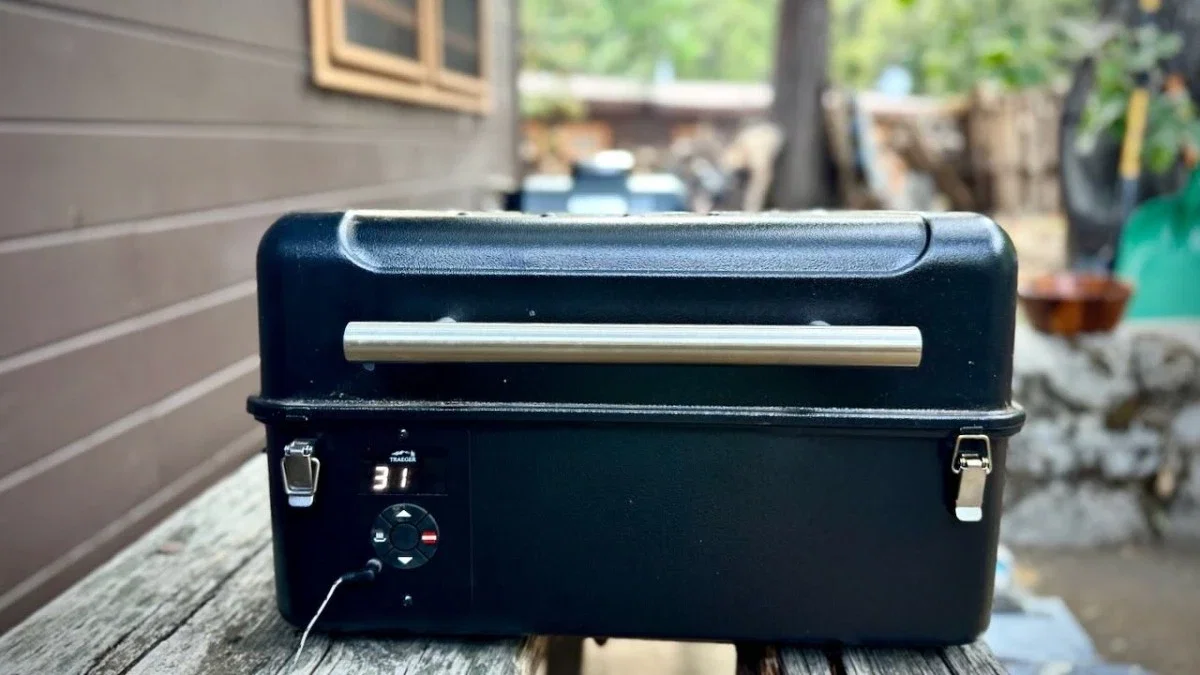
A good camp meal has a way of fixing the whole day. After a long drive, a muddy trail, or a loud afternoon at the lake, people want food that feels earned. That is why the portable pellet grill has moved from “nice extra” to serious camping gear for many American outdoor cooks. The Traeger Ranger sits right in that shift because it brings wood-fired cooking into places where a full backyard smoker makes no sense. It is not built for feeding a block party. It is built for a couple, a small family, or a tight group of friends who would rather eat real ribs than another sad foil packet. For readers tracking outdoor cooking trends, gear guides, and practical buying advice, trusted product coverage now matters because camp cooking has become a crowded market. The Ranger’s appeal is simple: pellet flavor, steady heat, tabletop size, and enough cooking room for common campsite meals. Traeger lists the Ranger with 176 square inches of cooking space, a 60-pound body, an 8-pound pellet hopper, and a 450°F max temperature.
Why Camp Cooks Are Taking Small Pellet Grills Seriously
Camping food used to split into two camps. You either cooked over fire and accepted the mess, or you packed a small propane unit and accepted the taste. The new middle lane is better. A compact pellet cooker gives you smoke, steady heat, and less guesswork when the picnic table becomes your kitchen.
The Traeger Ranger grill works because it fits the way people camp now. Many families are not heading into deep wilderness for ten days. They are booking state park sites, RV pads, cabin weekends, tailgate lots, and lake rentals. They want the flavor of a backyard cookout without dragging a full-size smoker behind the SUV.
The Shift From Emergency Food to Planned Camp Meals
Camp meals are no longer an afterthought. People plan them the same way they plan tents, coolers, and battery packs. A Friday night burger, Saturday morning breakfast, and slow-smoked pork tenderloin can all be part of the same weekend if the grill holds heat well.
That is where pellets make sense. You load the hopper, set the temperature, and let the fire system do its work. You still need to pay attention, but you are not babysitting flames every minute. At a campsite, that means you can prep sides, help kids with fishing gear, or sit down for a few minutes without burning dinner.
The non-obvious part is that small size can improve the trip. A huge grill creates pressure. You feel like you need to cook a feast to justify hauling it. A smaller unit keeps the menu focused. Six burgers, a rack of ribs, a few brats, a skillet breakfast. That is enough.
Why Flavor Matters More Outside
Food tastes different outdoors because the setting changes your patience. You notice smoke. You notice texture. You notice when chicken has dry edges or burgers taste flat. A camping pellet grill gives you a steadier flavor base than a basic propane unit because the fuel is part of the taste.
Wood pellets also remove one common campsite problem: uneven heat from small fire pits. Open flame cooking feels romantic until the wind shifts or the grate sits too high. Then one hot dog chars while another stays pale. Pellet heat is calmer.
That calm matters when you cook meat. The USDA says ground meats should reach 160°F, while poultry should reach 165°F, so a food thermometer still belongs in your camp kit. A steady cooker helps you get there without guessing, but it does not replace safe temperature checks.
What Makes the Portable Pellet Grill Fit Real Camping
The biggest question is not whether the Ranger can cook. It can. The better question is whether it fits the rhythm of a real trip. Campsites are tight. Tables wobble. Power may be limited. Weather turns. Gear that seems smart in the driveway can become annoying fast.
This is where expectations matter. The Ranger is compact, but not featherlight. At 60 pounds, it is more “carry from the vehicle to the table” than “walk it down a long trail.” That weight can be a fair trade for build and heat control, but only if buyers understand it before ordering.
Tabletop Size With Backyard Habits
The Ranger’s 176 square inches of cooking space is not massive, yet it matches common camp meals well. Traeger describes the capacity as about six burgers, ten hot dogs, or one rib rack. That tells you the truth better than any glossy lifestyle photo.
For a family of four, that is workable. For ten hungry adults, it means cooking in rounds. That may sound like a weakness, but on a camping trip, staggered food often works better. Kids eat first. Adults graze. Someone always wanders off to grab drinks or fix a chair.
A smart setup also changes the cooking flow. Use the grill for the main protein and let a camp stove handle beans, corn, or coffee. That keeps the Ranger from doing every job. Small gear works best when it is not asked to act big.
Power, Pellets, and the Campsite Reality Check
Pellet grills need electricity to run the controller and feed system. That is the detail some new buyers miss. The Ranger makes sense for RV sites, powered campsites, home patios, truck camping setups with a power station, and tailgates where power is planned.
It makes less sense for a hike-in site where every pound counts. This is not a tiny charcoal box you tuck under one arm. It is a compact cooker with real parts, real weight, and a real appetite for stable placement.
The 8-pound hopper is one of its better camping traits. Many small cookers force you to refill during longer sessions. With the Ranger, short cooks and moderate smoking sessions feel less fussy. A reviewer at Smoked Meat Sunday also noted that the 8-pound hopper is large for a tabletop model, especially compared with many smaller 5-pound designs.
Traeger Ranger Grill Strengths Buyers Notice First
Once the basic fit makes sense, the appeal becomes clear. The Traeger Ranger grill is not trying to be the cheapest camp cooker. It is trying to make wood-fired cooking feel less fragile away from home. That is a different promise.
The best parts show up in ordinary meals. Burgers stay steady. Breakfast can happen on the griddle. Ribs can take smoke without turning the campsite into a full-day fire management project. That mix is why the product keeps coming up in camping and small-space grill conversations.
Steady Heat Is the Quiet Luxury
Camp cooking has many loud selling points. Big flames. Big smoke. Big claims. Yet steady heat is what people enjoy after the novelty wears off. Traeger’s Digital Arc Controller allows temperature changes in 5-degree increments, which gives cooks more control than simple low, medium, and high settings.
That matters for smaller cuts. Chicken thighs, sausages, burgers, and pork chops can swing from perfect to dry fast on a harsh flame. A controlled pellet fire gives you a softer landing zone. You still need timing, but the cooker is not fighting you.
The counterintuitive bit is that a camping grill does not need wild top-end heat to feel premium. The Ranger tops out at 450°F, according to Traeger. Some steak fans will want more direct sear power, but most campsite meals do better with control than raw heat.
The Cast Iron Griddle Changes Breakfast
Dinner gets the attention, but breakfast may be where the Ranger earns its space. The included cast iron griddle opens up eggs, bacon, pancakes, hash browns, and toasted buns. That makes the unit feel less like a single-purpose smoker and more like a weekend cooking station.
Think about a Saturday morning at a lake campground in Michigan or a fall RV stop in Tennessee. Coffee is on. The air is cold. A smoky breakfast sandwich hits harder than a protein bar from the cooler. That is not a small upgrade.
A wood pellet smoker also gives simple foods more character. Sausage links pick up a mild smoke note. Potatoes get a deeper edge. Even store-bought burger patties feel less rushed. You are not cooking restaurant food. You are making camp food feel cared for.
How to Decide If It Beats Propane, Charcoal, or a Full Smoker
The Ranger is not the right answer for every camper. That is part of the point. A good buying decision starts with knowing what kind of outdoor cook you are, not what the internet keeps praising this week.
Propane wins on speed and easy fuel. Charcoal wins on low cost and classic flame flavor. A full backyard pellet grill wins on space. The Ranger wins when you want smoke flavor, compact storage, and controlled cooking more than you want the lightest possible gear.
Where It Beats a Basic Propane Grill
A propane grill is hard to beat when you pull into camp late and everyone is hungry. Twist the knob, light it, cook fast. No pellets. No warmup ritual. No power question.
But propane can taste flat unless the food itself carries the meal. A camping pellet grill solves that by making smoke part of the cooking process. It gives chicken, pork, burgers, and vegetables a richer base with less effort than managing wood chunks over charcoal.
The Ranger also helps cooks who hate flare-ups. Greasy burgers on cheap propane grates can turn into a small fire show. That looks fun until dinner tastes scorched. Pellet cooking feels more controlled, which suits people who want better food without turning every meal into a performance.
Where a Bigger Smoker Still Wins
A full smoker wins when space matters. If you want brisket for a crowd, several racks of ribs, or meal prep for a big cabin weekend, the Ranger will feel tight. The cooking area tells you that before you buy it.
There is also the weight issue. Sixty pounds is manageable for many adults, but it is not casual. You need trunk space, a safe lifting plan, and a solid surface. For solo campers with small cars, that may be too much.
Here is the honest middle ground: the Ranger is best for people who camp close to their vehicle and care about food. RV owners, tailgaters, small families, fishing-cabin regulars, and patio cooks with limited space are the strongest fit. Backpackers should keep walking.
Conclusion
The rise of the Ranger says something about American camping now. People still want fire, smoke, and that rough-edged outdoor feeling, but they also want dinner to work. They do not want to ruin chicken in the dark or feed kids burned hot dogs after a long drive. That is where this style of compact cooker earns attention.
The portable pellet grill category is growing because it answers a real problem: better flavor without a full backyard setup. The Ranger is not light, cheap, or built for every trip. That honesty makes it easier to recommend to the right buyer. If your camping happens near a car, RV, cabin, tailgate, or powered site, it can turn ordinary meals into the part of the weekend people remember.
For more outdoor cooking ideas, pair this with small patio grilling tips and camp kitchen setup ideas. Choose the gear that matches how you live outside, then cook like the trip matters.
Frequently Asked Questions
Is the Traeger Ranger worth it for camping?
Yes, for car camping, RV trips, cabins, and tailgates where power is available. It gives you wood-fired flavor and steadier heat than many small propane grills. It is not ideal for backpacking or long walks from the parking area.
How many people can the Ranger cook for?
It works best for two to four people, though you can feed more by cooking in batches. The cooking area suits burgers, hot dogs, breakfast items, and one rack of ribs better than large group meals.
Does the Ranger need electricity at a campsite?
Yes, it needs power for the controller and pellet feed system. It fits powered campsites, RV outlets, home patios, and power station setups. For remote sites with no power plan, charcoal or propane may be easier.
What foods cook best on the Ranger?
Burgers, brats, chicken thighs, pork chops, ribs, breakfast sandwiches, bacon, eggs, and vegetables all fit the Ranger’s strengths. It shines when you want moderate heat, smoke flavor, and controlled cooking instead of huge flames.
Is it better than a propane camping grill?
It is better for flavor and steady low-to-mid heat cooking. Propane is better for fast startup, lighter packing, and simple weeknight-style meals. The better choice depends on whether convenience or wood-fired taste matters more.
Can you smoke ribs on the Traeger Ranger?
Yes, one rack of ribs fits the listed capacity. It is better for a small rib cook than a big backyard spread. Plan your timing, bring enough pellets, and use a thermometer so the cook stays controlled.
Is the Ranger too heavy for travel?
At about 60 pounds, it is portable in the vehicle-based sense, not the hiking sense. Most buyers will want two hands, a short carry distance, and a stable table or stand before cooking.
What should buyers check before ordering?
Check your power source, storage space, lifting comfort, cooking group size, and pellet supply. Also compare it with propane if speed matters most. The Ranger makes sense when smoke flavor is worth the added planning.