Smoke season changes how people shop because clean indoor air stops feeling optional. The Coway Airmega 400 is getting attention from U.S. households that want a serious purifier before wildfire smoke turns the sky gray and store shelves thin out. The point is not panic. The point is timing. Wildfire smoke can move far beyond the fire line, slip indoors through gaps, fans, fresh-air intakes, and normal home leakage, then hang around long after the outdoor view looks better. EPA guidance warns that smoke can make indoor air unhealthy too, especially because fine particles can reach the eyes and breathing system. That is why buyers are studying coverage, filters, fan noise, and replacement costs before the worst air days arrive. For readers tracking home safety gear, practical consumer alerts help make sense of why one appliance can move from “nice to have” to “buy it before the next AQI spike.” A good smoke plan starts with the room you will protect first, not the prettiest product photo.
Why Coway Airmega 400 Is Drawing Smoke-Season Buyers
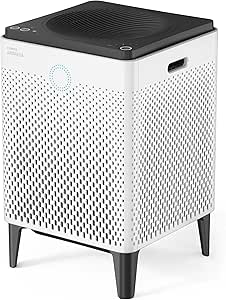
The rush around this model makes sense when you look at what people need during a smoke event. They do not need a gadget that looks smart in a corner and sleeps through the hard work. They need steady airflow, a filter system made for small particles, and enough coverage to handle a family room, open apartment, or shared living space. Coway’s official listing says the unit includes two pre-filters and two Max2 HEPA filters, carries a smoke CADR of 328, and is rated to purify up to 3,120 square feet in 60 minutes under its stated conditions. Those numbers do not make it magic. They make it worth a closer look.
Smoke changes the buying clock
Most home appliances let you wait. A blender can sit in your cart for three weeks. A patio chair can go on sale twice before summer ends. A wildfire smoke air purifier behaves differently because the need arrives in waves, and every household in the plume starts thinking the same way on the same morning.
That is why inventory pressure feels sudden. People wake up in Denver, Portland, Sacramento, Boise, or Minneapolis, check the Air Quality Index, and realize their child’s bedroom or living room has no backup plan. The better large-space models get compared, bookmarked, and bought in a narrow window. This is less like shopping for décor and more like buying snow tires after the first storm warning.
Here is the non-obvious part: the best time to buy is often when the air still looks fine. If you wait until you can smell smoke inside the hallway, shipping speed becomes part of the health plan. That is a bad place to negotiate from.
The buying clock also varies by region. A family in Montana may prepare because fires are nearby. A family in Chicago may react because smoke traveled across state lines and turned a normal school day hazy. Both shoppers have the same problem once the alert hits: they need indoor air control now, not after a long shipping delay.
Big-room coverage matters more than people expect
A small purifier can help in a bedroom, but American floor plans often fight against small machines. Open kitchens, vaulted living rooms, split-level family spaces, and rental lofts move air in awkward ways. A large room air purifier has a better chance of pulling enough air through the filter without needing to scream at top speed all day.
That matters because smoke control is not one heroic pass through a filter. It is repetition. Air needs to cycle again and again while doors open, HVAC systems run, pets move around, and people cook dinner. A unit that can run at a lower setting while still moving air may fit daily life better than a smaller machine pushed to its loudest mode.
Think of a California living room during a late-August smoke alert. The windows are shut. The dog is restless. Someone is working from the couch, and dinner still has to happen. The purifier that wins is not the one with the biggest claim on the box. It is the one you can keep running while normal life keeps making particles.
That is also why square footage claims need context. A machine may cover a huge area at one air change per hour, while smoke control may call for more air changes in the room you use most. Treat coverage as a starting point, then size for the space where people breathe for hours.
How Wildfire Smoke Gets Inside American Homes
A lot of buyers make the same mistake at first: they picture smoke as an outdoor problem. Close the windows, stay inside, and the house should protect you. That is partly true, but it is not enough. The EPA notes that outdoor air can enter through open windows and doors, mechanical ventilation, HVAC fresh-air intakes, exhaust fans, cracks, joints, and gaps around closed doors and windows. Older homes in the West, drafty rentals in the Midwest, and sun-baked suburban houses can all leak in ways you never notice until the air smells like a campfire.
The clean-room approach works because it admits defeat
A clean room sounds fancy, but the idea is plain. Pick one room, close it off, reduce particle-making activities, and run a properly sized portable cleaner there. EPA guidance says a clean room can help keep smoke and particles lower than in the rest of the home during wildfire smoke events, and it may be most helpful for children, older adults, and people with heart or breathing problems. That is not overthinking. That is triage.
The strange part is that a smaller protected room can beat a bigger open plan when smoke gets bad. People often want to clean the whole house because that feels safer. During a rough plume day, the better move may be to protect the bedroom where everyone can sleep, then use the larger living space when conditions ease.
This is where a HEPA air purifier earns its place. It should not be treated as a force field for the whole property. It is a tool for lowering particle load where people spend time. Pair it with closed windows, recirculated cooling, and fewer indoor particle sources, and the plan starts to feel less fragile.
A clean-room plan also helps families make decisions before stress takes over. Put medicine, chargers, water, pet supplies, and a few comfort items in that room. When the alert arrives, you are not arguing about where to go. You already picked the safer space.
Why a closed window is not a wall
Closed windows slow smoke. They do not seal a home like a lab chamber. Bathroom fans can pull outdoor air through cracks. Range hoods can change pressure. Single-hose portable air conditioners can pull replacement air from the rest of the house. Even a loose door sweep can become a quiet path for smoke.
That is why people in places like Oregon and Washington sometimes smell smoke indoors before they see much haze outside. The nose catches what the house has been admitting in small amounts. By the time that smell is clear, fine particles may already be rising indoors, especially in rooms near vents, doors, or leaky window frames.
The fix is not fear. It is layered control. Watch local AQI, close the right openings, set HVAC systems to recirculate when possible, avoid frying food or burning candles, and run the purifier before the room smells smoky. A wildfire smoke air purifier works best as part of that routine, not as the only line of defense.
The hidden win is discipline. People love buying gear, then forget the small habits that let the gear work. A closed bedroom door, a towel at a drafty gap, and a skipped frying session can make the purifier’s job easier than any marketing claim.
What to Check Before Buying During a Rush
Fast buying leads to lazy buying. That is how people end up with a unit too small for the room, filters that cost more than expected, or a purifier that sounds fine in a review but drives them crazy at night. A rush purchase still needs a calm checklist. Start with room size, CADR, filter type, replacement cost, noise range, and whether the machine produces ozone. EPA clean-room guidance says to use a portable air cleaner that is the right size for the room and to pick one that does not produce ozone. The boring details are where the value hides.
Filters, fan speed, and the ugly truth about noise
A HEPA air purifier can only help if air keeps moving through it. That means fan speed matters, and fan speed brings noise. Product pages often show the lowest noise number because it sounds gentle. Smoke days push machines harder. The real question is whether you can tolerate the purifier on the setting that cleans the room fast enough.
The official listing for this model gives a noise range of 22 to 52 dB(A), along with sleep, low, medium, and high airflow settings. The low end may suit a bedroom at night. The high end may be what you want when outdoor AQI jumps and you are trying to clear a room after someone opened a door.
Filter life matters too. Wildfire smoke can load filters faster than ordinary dust season. A washable pre-filter helps catch larger debris like hair and dust before the main filter does the harder particle work, but it still needs attention. A dirty pre-filter turns a good machine into a tired fan.
A useful test is simple: ask where the purifier will run at 2 a.m. If the answer is near a light sleeper, noise matters as much as coverage. If the answer is a daytime living area, stronger settings may be easier to accept. The best spec is the one your household will live with.
Stock pressure can make smart people overpay
Scarcity changes behavior. A buyer who would normally compare five stores may click the first available button because the air outside is orange. That is understandable, but it can lead to inflated prices, fake urgency, or third-party listings with unclear return terms.
When checked, Coway’s own U.S. product page showed the model available with limited stock messaging, plus stated coverage, filter, and CADR details. That kind of official page is a useful anchor. Even if you buy elsewhere, compare the price, model number, filter set, warranty language, and return policy against the brand’s listing before you pay.
One practical move is to buy replacement filters at the same time, or at least confirm they are easy to find. A purifier without fresh filters is a box with a fan. During a heavy smoke month, the replacement filter can become the item that sells through faster than the unit itself.
Avoid bundles that hide the filter details. A cheaper package may include an off-brand filter, a wrong-size replacement, or no spare filter at all. During wildfire season, the boring line items tell you more than the sale banner.
How to Run One Unit So It Does More Work
Buying the right machine is only half the story. The next half happens on the floor, near a wall, beside furniture, or in the room where your family actually breathes. Good placement and steady use can make one large room air purifier feel far more useful. Poor placement can waste a strong motor. The simple rule: give the machine air to pull, air to push, and a room with boundaries it can manage.
Placement beats panic buying
A purifier needs space around its intake and exhaust. Shoving it between a couch and a curtain may keep the room tidy, but it can choke airflow. Place it where air can move, away from fabric piles, heavy drapes, and tight corners. In a clean-room setup, the best spot is often inside the room where people will stay, not in the hallway trying to serve every bedroom at once.
For a family in a Phoenix-area rental, that might mean using the main bedroom as the smoke refuge because it has an attached bathroom, fewer exterior doors, and enough space for sleeping bags if the kids need to join. For a Portland apartment, it may mean the living room during the day and the bedroom at night, moving the purifier only after letting it run long enough in each space.
The counterintuitive part is that movement is not always helpful. Constantly moving a unit from room to room can leave every room partly treated and no room well protected. During a bad smoke day, choose the room that matters most and commit.
Floor height is fine for many homes, but airflow paths matter more than height alone. Keep the intake clear, keep laundry away from the sides, and do not park the unit behind a chair. A purifier cannot clean air it cannot reach.
Maintenance decides whether smoke season ruins the filter
Wildfire season is hard on filters because the particles are fine, sticky, and persistent. A pre-filter may look dusty after a few days, especially in homes with pets or open shelving. Cleaning it on schedule keeps airflow from dropping. The main filter should be replaced according to the indicator and the conditions you have lived through, not only the calendar.
Do not ignore smells either. Activated carbon can help with some odors, but carbon has limits. If smoke odor lingers while the fan still runs, that may mean the filter set has taken a beating or the room keeps getting fresh smoke from leaks. Check the basics before blaming the machine: door gaps, exhaust fans, cooking, candles, and HVAC settings.
This is also a good place to build a home checklist. Keep one N95 pack, painter’s tape for leaky spots, spare filters, and the EPA’s clean room guidance saved where you can find it. Then add two internal resources for your readers, such as wildfire smoke preparation checklist and best air purifier comparison for American homes, so the buying decision connects to a full home plan.
After the smoke clears, do one more pass. Clean the pre-filter, inspect the main filter indicator, wipe nearby surfaces with a damp cloth, and note what worked. Your notes may be more useful next season than another round of frantic product tabs.
Conclusion
The smartest smoke-season purchase is not the one made in a panic at midnight. It is the one matched to a real room, a real family routine, and a filter plan you can keep up with when the sky turns hazy. The Coway Airmega 400 fits the moment because U.S. buyers want strong airflow, serious filtration, and coverage that makes sense for open living spaces. Still, no purifier cancels wildfire risk on its own. You need closed windows, recirculated cooling where possible, fewer indoor particle sources, and a room you can protect first. That is the mindset that separates a good buy from an anxious one. Wildfire season rewards people who prepare before the smoke arrives, not people who refresh retail pages after everyone else has smelled the same air. Choose your room, check the specs, buy filters with the same seriousness as the machine, and turn clean indoor air into a plan instead of a wish.
Frequently Asked Questions
Is a large air purifier worth it for wildfire smoke?
Yes, if the room is large, open, or used by the whole family. Bigger units can move more air without always running at the loudest setting. For smoke, repeated air cleaning matters more than a single pass through the filter.
What size room should I protect first during smoke season?
Start with the bedroom or the room where vulnerable people spend the most time. A smaller closed room is easier to control than a full open floor plan. Sleep quality also matters when smoky conditions last several days.
Does a purifier remove the smell of wildfire smoke?
It can reduce some smoke odor if the filter includes enough activated carbon, but odor control has limits. Fine particle removal and odor removal are related, not identical. If the smell keeps returning, smoke may still be leaking indoors.
Should I run the purifier all day during a smoke event?
Yes, steady operation is usually better than short bursts. Run it before the room smells smoky, keep doors and windows closed, and raise the fan speed when outdoor AQI worsens. Lower the speed at night only if noise affects sleep.
Are replacement filters worth buying with the purifier?
Yes, especially before peak smoke months. Filters can sell out during regional smoke events, and heavy smoke can shorten useful filter life. Having a spare set prevents the machine from becoming useless when it needs fresh filtration.
Can one purifier clean an entire house?
Usually not in the way people hope. One unit can help in a main room or protected zone, but walls, doors, leaks, and airflow patterns limit reach. A clean-room plan is often safer than expecting one machine to cover every space.
What should I avoid indoors when wildfire smoke is outside?
Avoid frying food, burning candles, smoking, vacuuming without good filtration, and running exhaust fans longer than needed. These actions add particles or pull smoky outdoor air inside. The goal is to reduce both incoming smoke and indoor sources.
Is a DIY box fan filter a good backup?
It can be a useful low-cost backup when built safely with the right filters and fan setup. It is not as tidy as a commercial unit, but it may help in a pinch. Keep safety, stability, and electrical condition in mind.