A kitchen counter tells the truth faster than a spec sheet. The Vitamix 5200 still earns its place because it handles the jobs that make weaker machines look loud, nervous, and temporary: thick smoothies, hot soups, nut sauces, frozen fruit, and the weekly cleanup that nobody wants to baby. For many U.S. households, value is not the lowest sticker price. It is the appliance you keep using after the excitement fades. That is why shoppers reading trusted home product coverage keep coming back to this older design while newer blenders chase touchscreens, presets, and app talk. The case is simple. A high-performance blender should make better food with less fuss, survive years of normal abuse, and stay easy enough for a tired parent or rushed meal prepper to use without opening a manual. The 5200 is not perfect. It is tall, loud, and plain. Yet those flaws are tied to the same old-school design choices that make it feel honest.
Why Vitamix 5200 Still Wins the Value Argument
Value gets blurry when brands add more buttons than most cooks will ever press. The 5200 cuts through that noise because its strengths show up during the first week, then again during year five. It does not ask you to trust a feature list. It asks you to make breakfast, rinse the jar, and repeat.
The model is old by appliance standards. The Guardian describes it as a legacy machine introduced in 2007, which means it has stayed visible through several waves of newer blender design. That matters. Kitchen products do not survive that long on nostalgia alone, especially in the U.S. market, where counter space is treated like real estate.
Price makes more sense when the timeline gets longer
A $40 blender can look smart on the shelf. It feels less smart when it leaves kale flakes in a smoothie, stalls on frozen fruit, or smells hot after a thick hummus attempt. The real cost is not only the machine. It is the wasted produce, the extra straining, the replacement purchase, and the quiet decision to stop making the recipe at home.
This is where the 5200 has always felt different. It is expensive enough to make a buyer pause, but not so complicated that you are paying for a screen you may ignore. Serious Eats still lists it as a favorite after years of blender testing, and the praise centers on power, control, and the narrow jar shape rather than trendy extras.
A family in Phoenix using it for smoothies, salsa, and weekend pancake batter is not measuring value by one task. Neither is a couple in Ohio using it for soup through winter and frozen drinks in July. The better question is not, “Can this blend?” It is, “Will I still reach for it when the recipe gets thick?”
The long timeline changes the math. A cheaper machine may win the first receipt, then lose when you buy another one two summers later. A costly blender can still be a poor buy if it sits unused, so the point is not price pride. The point is repeat use. If it earns a spot in your weekly routine, the cost spreads across hundreds of meals.
The simple dial is a strength, not a missing feature
A strange thing happens when a kitchen tool gets fewer features. You may use it more. The 5200 gives you a speed dial, a high setting, and direct control. That sounds bare until you are trying to catch the exact texture between chunky salsa and tomato foam.
Presets work fine when your food behaves like the test recipe. Real kitchens are messier. Frozen berries vary. Peanut butter can be oily or stiff. A soup can be thin one night and dense the next. Manual speed control lets you respond as the food changes, which is why a plain interface can beat a fancy one.
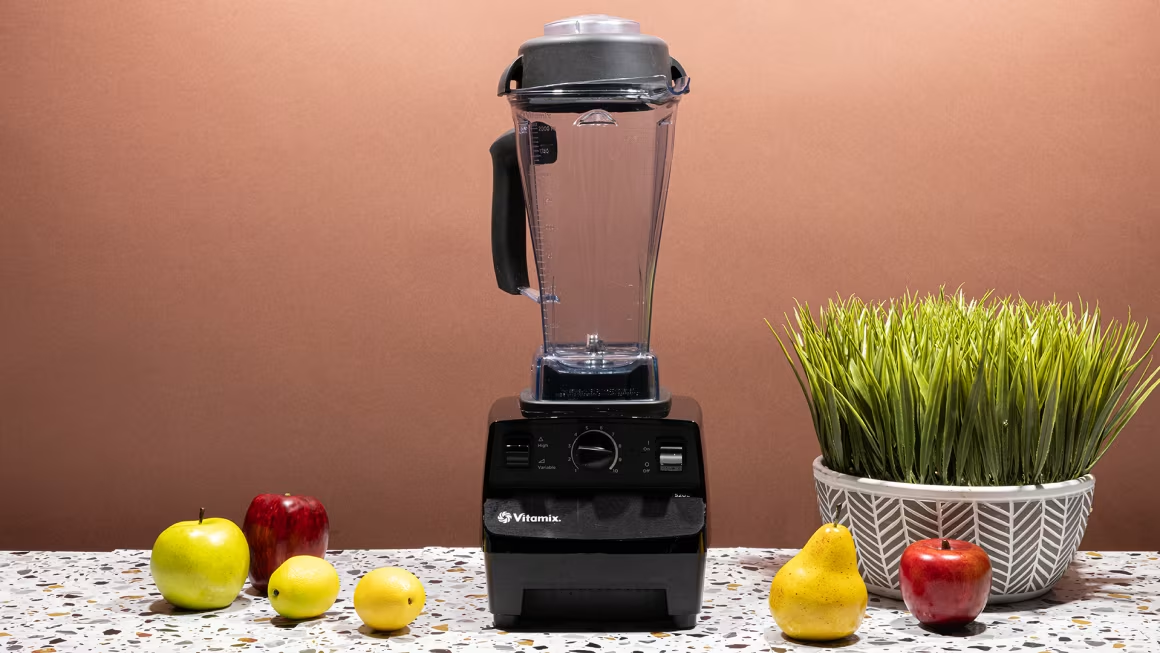
The brand’s official product information points to the core parts that matter: variable speed control, a 64-ounce container, a high-speed option, self-cleaning with warm water and soap, and a 7-year full warranty. Those are not flashy claims. They are the bones of a serious home kitchen blender.
There is also less to argue with. No hidden program decides that your almond sauce has had enough. No touchscreen gets smeared with banana and honey. You hear the motor, watch the fold of the mixture, and turn the dial. That physical feedback is old-fashioned, but it is useful. It teaches you how food moves.
The Jar Shape Matters More Than the Control Panel
A blender jar is not a bucket with blades at the bottom. Its shape decides whether food falls into the blade path or gets shoved against the wall. That is where the 5200 earns much of its reputation. Its tall, tapered jar can look outdated beside low-profile containers, but that height is doing real work.
This is the detail many shoppers miss during online comparison. They scan motor power, warranty, and color choices, then treat jar shape like a storage issue. Storage matters, but blending starts with movement. If the food cannot circulate, the motor is working hard without finishing the job.
A narrow base pulls food down instead of spreading it out
The tall 64-ounce container is not built only for volume. It also creates a strong downward pull when the food starts moving. Thick mixtures need that pull. Without it, you end up stopping the motor, scraping the sides, adding more liquid, and slowly turning a spoonable sauce into a drink.
This matters in American kitchens because most people do not use a blender for one neat job. A Monday smoothie may need frozen berries and Greek yogurt. Wednesday dinner may need a cashew cream. Saturday may call for a green sauce that should cling to grilled chicken instead of running across the plate. The same jar has to handle all of it.
The non-obvious part is that taller can be more practical than shorter. A low-profile jar fits under more cabinets, which sounds better. Yet a wider base can struggle with smaller batches and thick blends because ingredients spread away from the blades. For people who make sauces, dips, dressings, and single-family portions, the old shape can feel smarter than the newer one.
A tall jar also gives you more room for the tamper to work safely. That matters with frozen fruit bowls and nut-heavy blends, where air pockets can form above the blades. You can guide ingredients downward without turning the machine off every few seconds. That small rhythm saves patience. It also helps you avoid adding extra liquid only because the blender needs help.
Texture is where premium machines defend their price
Most blender talk gets stuck on power. Power helps, but texture is the receipt. You know the difference when a smoothie has berry seeds stuck in your teeth or a soup feels grainy after two extra minutes of blending.
A high-performance blender earns trust when it makes texture predictable. You can pour in fibrous greens, frozen mango, protein powder, and a splash of liquid, then get a drink that feels finished. You can turn roasted vegetables into soup without passing them through a sieve. You can make a dressing that stays together instead of splitting in the fridge by morning.
For a buyer comparing kitchen upgrades, this is the quiet value. A blender that improves texture changes how often you cook from scratch. It makes weekday food feel less like a compromise. It may even help a household waste less produce because sad spinach and overripe bananas become useful before they cross the line.
Texture also changes who uses the machine. A teenager who hates “green chunks” may drink a spinach smoothie if it tastes like mango and banana. A spouse who does not care about appliances may care when soup comes out smooth enough for guests. Good blending is not only a technical win. It lowers the complaint level at the table.
What American Home Cooks Actually Do With It
The best blender for a test kitchen may not be the best blender for a real home. Real counters are crowded. Real mornings are rushed. Real people forget to soak cashews and then expect a machine to fix the problem. The 5200 stays relevant because it handles the normal chaos without needing the cook to perform.
That is why the conversation should move past smoothies. Smoothies are the front door. The larger value comes from the second and third uses in the same week. Once a blender helps with dinner, leftovers, sauces, and snack prep, it stops being a breakfast machine and becomes a home kitchen blender with a broader job.
Meal prep rewards a machine that can repeat boring tasks
Many buyers first imagine smoothies. That is fair, but the 5200 becomes more interesting when it moves from treat machine to prep tool. It can help with sauces, soups, batters, nut-based creams, frozen desserts, salad dressings, and quick purees. That range is why countertop kitchen tools worth buying should be judged by use patterns, not by a single recipe.
Think about a Sunday in a suburban Chicago kitchen. One parent blends a green smoothie before errands, makes a quick tomato soup for lunch, then blends a chipotle sauce for chicken bowls. None of these tasks is dramatic. Together, they explain why a machine with an old design can become part of the room.
The counterintuitive lesson is that boring tasks create loyalty. A blender does not need to surprise you with a new trick every month. It needs to do the same unglamorous jobs without turning them into little projects. That is a higher bar than many shoppers think.
There is a budget angle here too. Sauces, soups, and dressings can be expensive when bought premade, especially for families trying to eat better without turning every dinner into a project. A reliable blender lets you stretch leftovers and pantry items. Roasted carrots become soup. Soft herbs become sauce. A handful of nuts can become a creamy base without dairy.
The cleanup routine keeps the machine in rotation
A blender that is hard to clean becomes a cabinet object. That is the start of the end. Once a heavy appliance moves off the counter, it has to fight for attention every time you want to use it.
The 5200 has an advantage here because the cleaning habit is simple: warm water, a small drop of dish soap, run the machine, rinse. The official page describes self-cleaning in that same plain way, which matters because no home cook wants a cleaning method that sounds like a repair manual.
The shape helps again. A tall jar is not always easier to store, but it can be easier to rinse after liquid blends because the vortex does much of the scrubbing. Sticky nut butter and thick hummus still need a spatula. No honest review should pretend otherwise. Yet for everyday smoothies and soups, the cleanup is light enough that the machine does not punish you for using it.
Cleanup also affects nutrition in a sneaky way. People eat differently when the barrier is low. If making a smoothie means washing five parts and digging pulp from a gasket, the habit dies. If soup cleanup takes one minute, you may choose the homemade option more often. Convenience does not have to mean processed food.
Where It Loses, and Why That Can Help the Right Buyer
A value article that hides the flaws is not useful. The 5200 has clear drawbacks, and some buyers should choose something else. The point is not that this blender wins every kitchen. The point is that its weaknesses are easy to understand before you buy.
The odd benefit of an older machine is clarity. You know what you are getting. The 64-ounce container is tall. The motor is loud under load. The controls are plain. For a careful buyer, that honesty can be better than a newer appliance that looks sleek online but asks for compromises after it arrives.
Height, noise, and looks may matter in a small kitchen
The tall container can be a pain under upper cabinets. Apartment renters in New York, Boston, or Seattle may have shallow counters and limited storage. If the machine has to live in a lower cabinet, the weight and height may make it less inviting on a busy morning.
Noise is another honest complaint. A strong motor tearing through ice and frozen fruit will not sound gentle. If you blend early while kids are asleep or you share thin apartment walls, that may matter more than texture. A quieter machine with lower output may fit your life better.
The look is also plain. Some newer blenders feel built for open shelving and soft kitchen lighting. The 5200 looks like it came to work. That is part of its charm for some buyers and a deal breaker for others. There is no moral victory in owning the “better” appliance if you hate seeing it every day.
There is one more practical issue: the tall jar can be awkward to scrape when the mixture is thick and sticky. A wide jar may be easier for removing hummus or frozen dessert. That does not make it better across the board. It means your favorite recipes should guide the choice more than a ranking badge.
Newer models can be better for specific buyers
Some people should pick a newer blender. If you want preset programs, a shorter container, digital timers, or a sleeker base, the 5200 may feel stubborn. A buyer who makes large frozen drinks for parties might like a wider low-profile jar. A buyer who wants single-serve cups may prefer a system built around personal blending.
The newer Vitamix VX1 has also entered the conversation as a lower-cost option that performs close to older favorites in some independent testing. Serious Eats described it as a strong alternative with a familiar simple dial and useful cleaning preset. That does not erase the 5200. It gives careful shoppers another path.
This is where small appliance buying guide thinking helps. Do not buy the legend. Buy the workflow. If your recipes lean thick, varied, and frequent, the older machine still makes sense. If your habits are lighter, louder power may be wasted money and wasted counter space.
A strong buyer match sounds like this: you cook at home several days a week, you want one main blending jar, and you care more about texture than built-in programs. A weak match sounds different: you make one smoothie a week, need the blender hidden under cabinets, and want the quietest motor possible. Both buyers are reasonable. Only one needs this machine.
Conclusion
The old blender has lasted because it respects how people cook when nobody is watching. It does not dress up a simple job with a maze of buttons. It gives you power, a smart jar shape, direct control, and a cleanup routine that keeps it from becoming kitchen furniture.
That is why the Vitamix 5200 remains easy to defend as a long-term buy, not only a status appliance. It asks for more money upfront, then pays back through repetition: smoother breakfast drinks, faster sauces, better soups, fewer stalled recipes, and less second-guessing. The flaws are real, but they are visible. You can measure your cabinet height. You can accept the noise. You can decide whether old-school control fits your hands.
For U.S. buyers who cook often and want one machine to cover many jobs, this is still a rare kind of value: the kind that gets less dramatic and more useful with time. A smart purchase does not need to feel new forever. It needs to keep earning the space it takes. Choose the blender that matches your habits, then use it enough to make the purchase count.
Frequently Asked Questions
How long does this blender usually last in a home kitchen?
Many owners keep the machine for years because the design is simple, the motor is strong, and replacement parts are easier to understand than on many gadget-heavy appliances. Lifespan depends on use, cleaning habits, and whether thick blends are handled with enough liquid or the tamper.
Is this model worth buying for smoothies only?
Yes, but it makes the most sense when smoothies include frozen fruit, greens, seeds, protein powder, or ice. A cheaper machine can handle soft fruit drinks. The extra value appears when you want a smoother texture without stopping to stir every minute.
Does the tall 64-ounce container fit under standard cabinets?
Often it does not fit while sitting on the base. Many buyers store the jar beside the base or keep the whole machine on an open counter. Measure your cabinet clearance before buying, especially in apartments, condos, and older homes with lower upper cabinets.
Can it make hot soup without a heating element?
Yes. The blades spin fast enough to heat blended ingredients through friction over several minutes. Many cooks still start with warm roasted vegetables or hot broth for better flavor and speed. Always vent properly and follow the maker’s safety guidance for hot blends.
Is it too loud for apartment living?
It can be loud, especially with ice, frozen fruit, or thick mixtures. The sound is short but sharp. Apartment users can reduce friction by blending at reasonable hours, placing the base on a stable surface, and avoiding long runs when neighbors may be sleeping.
What foods show the biggest difference compared with cheap blenders?
Fibrous greens, berry seeds, frozen fruit, nut sauces, hummus, pesto, and creamy soups show the gap fastest. Budget machines often leave grit, chunks, or uneven texture. The stronger motor and jar pull help ingredients move through the blades more consistently.
Should I buy this or a newer blender with presets?
Choose this one if you like manual control and cook many kinds of recipes. Choose a preset-heavy model if you want one-button routines and do not like adjusting speed by feel. Neither choice is wrong. The better pick depends on how you cook.
Is a refurbished unit a smart way to save money?
It can be, as long as it comes from a trusted seller with clear warranty terms and a fair return policy. Check the container condition, blade assembly, motor sound, and included accessories. Savings are useful only when the support behind the machine is clear.