
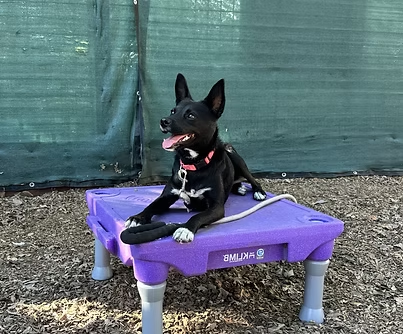
Rob’s Dog Training specializes in helping owners build reliable behavior, confidence, and control through structured, real-world training methods. When it comes to obedience support for large breed dogs, the stakes are higher stronger bodies, higher energy levels, and deeper instincts mean training must be consistent, practical, and rooted in clear communication. In this guide, we break down proven strategies used by professional trainers to help large dogs become calm, responsive companions in everyday environments.
Whether you’re dealing with leash pulling, jumping, or inconsistent recall, the right obedience system can transform your relationship with your dog and improve safety for everyone involved.
Why Obedience Support for Large Breed Dogs Matters
Large breed dogs like German Shepherds, Labradors, Rottweilers, and Great Danes are intelligent and capable but their size alone makes poor behavior more difficult to manage. Without structured obedience support for large breed dogs, even small behavioral issues can escalate into safety concerns.
Key reasons obedience training is essential:
- Physical control: A 90-pound dog pulling on a leash can injure both owner and stranger.
- Mental stimulation: Large breeds require structured learning to avoid boredom-driven behavior.
- Social stability: Proper training reduces reactivity toward dogs, people, and environments.
- Home safety: Prevents destructive habits such as chewing, jumping, and resource guarding.
Professional programs like those offered by Rob’s Dog Training focus on building obedience through structured reinforcement and clear behavioral expectations.
Understanding Large Breed Behavior Patterns
Before implementing obedience support for large breed dogs, it’s important to understand why these dogs behave the way they do.
1. High Drive and Energy Levels
Many large breeds were developed for working roles guarding, herding, or retrieving. This means they often require a “job” to stay mentally balanced.
2. Delayed Emotional Maturity
Large dogs often take longer to mature, sometimes up to 2–3 years. During this time, inconsistent training can lead to long-term behavioral issues.
3. Strength vs. Awareness Gap
A large dog may not realize its own size or impact, which is why structured obedience is critical from an early age.
Understanding these traits helps owners choose training methods that are fair, consistent, and effective.
Core Principles of Obedience Support for Large Breed Dogs
Effective obedience training is not about dominance it’s about clarity, timing, and reinforcement. Below are foundational principles used by professional trainers.
1. Consistency Over Intensity
Dogs learn through repetition. Short, consistent training sessions outperform long, sporadic ones.
2. Clear Communication
Commands must be simple and consistent:
- Sit
- Down
- Heel
- Stay
- Come
Avoid mixing words or using emotional tone shifts that confuse the dog.
3. Balanced Reinforcement
Reward-based training combined with structured correction creates reliable behavior without fear or confusion.
4. Environment Progression
Start training in low-distraction environments before moving to parks, streets, or public areas.
Essential Commands in Obedience Support for Large Breed Dogs
A strong obedience foundation includes a set of core commands that ensure safety and control in real-life situations.
Sit, Stay, and Down Control System
These are the building blocks of obedience. They teach impulse control and calm behavior.
- Sit: Encourages patience and control before action.
- Stay: Builds distance discipline and focus.
- Down: Promotes relaxation and submission to structure.
Leash Manners and Heel Training
Leash pulling is one of the most common issues in large breeds. Proper heel training ensures the dog walks beside you not ahead of you.
Key techniques include:
- Stopping movement when pulling occurs
- Rewarding correct position beside the handler
- Using directional changes to regain attention
Recall Training (Come Command)
Reliable recall can prevent dangerous situations. It is one of the most important skills in obedience support for large breed dogs.
Training tips:
- Use high-value rewards initially
- Practice in enclosed areas first
- Gradually increase distance and distractions
Common Mistakes Owners Make in Large Breed Training
Even well-intentioned owners can unintentionally reinforce bad habits. Avoiding these mistakes improves long-term results.
1. Inconsistent Rules
Allowing jumping sometimes but correcting it other times confuses the dog.
2. Delayed Correction
Dogs associate behavior with immediate outcomes. Delayed feedback reduces learning effectiveness.
3. Over-Reliance on Treats
Food rewards are helpful but should transition into verbal praise and structured expectations over time.
4. Lack of Real-World Practice
Training must extend beyond the home environment to be reliable in public settings.
Advanced Obedience Support for Large Breed Dogs
Once foundational skills are stable, advanced training helps refine behavior and responsiveness.
Off-Leash Control
Off-leash obedience requires strong recall, impulse control, and environmental awareness. This is typically achieved through gradual desensitization and structured freedom exercises.
Public Behavior Training
Dogs should learn to remain calm around:
- Other dogs
- Busy sidewalks
- Loud environments
- Guests and strangers
Impulse Control Drills
Exercises like waiting before food, door boundaries, and controlled play sessions build discipline and patience.
Real-World Application of Obedience Training
Training should always translate into real-life reliability. A dog that performs well at home but ignores commands outside lacks generalized obedience.
Practical scenarios include:
- Walking calmly through crowded streets
- Waiting before crossing roads
- Staying calm when visitors arrive
- Ignoring distractions like other animals or food
Programs like those from Rob’s Dog Training emphasize real-world application so dogs don’t just “perform tricks,” but behave reliably in everyday life.
How Professional Training Supports Better Results
While many owners attempt DIY training, professional guidance often accelerates results especially for large breeds.
Benefits include:
- Structured training progression
- Expert timing and correction techniques
- Behavior troubleshooting
- Customized plans for specific breeds and personalities
Professional obedience support for large breed dogs ensures that training is not just reactive but strategically planned for long-term success.
Building a Long-Term Obedience Mindset
Training is not a one-time event it is an ongoing system of communication between owner and dog.
To maintain results:
- Reinforce commands regularly
- Avoid letting old habits return
- Keep training sessions short but consistent
- Continue social exposure throughout the dog’s life
Large breed dogs thrive under leadership, structure, and predictability. When those elements are present, they become calm, confident, and highly reliable companions.
A Stronger Bond Through Obedience Support for Large Breed Dogs
Investing in obedience support for large breed dogs is ultimately about safety, trust, and quality of life. With the right structure, consistency, and professional guidance, large dogs can become exceptionally well-mannered companions in any environment.
If you’re ready to improve behavior, strengthen communication, and build lasting obedience, working with experienced professionals like Rob’s Dog Training can make a meaningful difference in your dog’s development journey.